Wednesday, 1 July 2020

SNEEZE AND CANCER TREATMENT ON THE SAME DRUG?


serious skin cancer treatment
Can a very common allergy medicine improve survival among patients suffering from the serious skin cancer, malignant melanoma? A new study from Lund University in Sweden indicates that this may be the case.
Melanoma
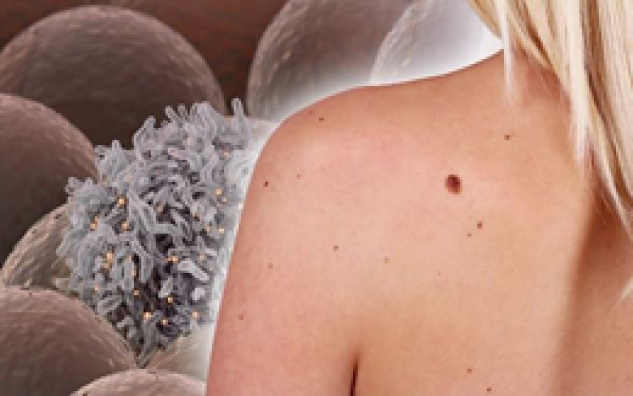
     Melanoma is a type of skin cancer that develops when the melanocytes (the cells that give the skin its tan or brown color) start to grow out of control. Melanoma is much less common than some other types of skin cancers. But melanoma is more dangerous because it is much more likely to spread to other parts of the body if not caught and treated early.


Prof. HÃ¥kan Olsson

“Previous studies have shown that the same antihistamines have survival benefits in breast cancer. Now we see the same thing concerning malignant melanoma. However, more research is required to confirm the results,” emphasizes Prof. HÃ¥kan Olsson. He is one of the researchers behind the study, which was recently published in the research journal, Allergy.

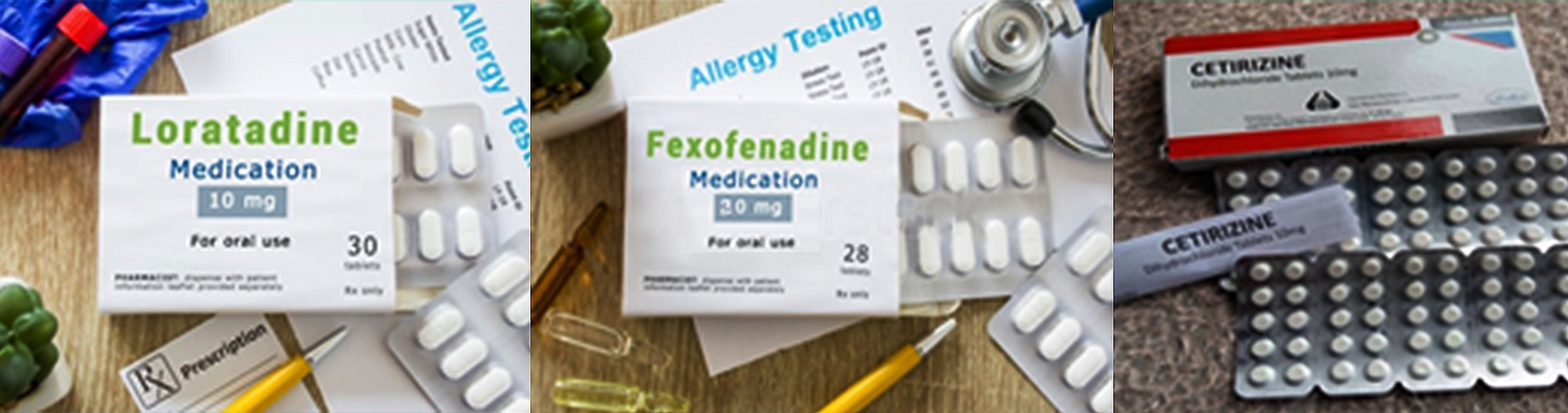
In the study, the researchers examined the use of six antihistamines in patients diagnosed with malignant melanoma; desloratadine, cetirizine, loratadine, clemastine, ebastine and fexofenadine.
fexofenadine
clinical registries

They have matched information from three large clinical registries (the prescribed drug registry, cancer registry and cause of death registry) for everyone in Sweden between 2006 and 2014 who received their first diagnosis of skin cancer, a total of 24,562 individuals. Of these individuals, 1,253 were antihistamine users.
Most used desloratadine (395) cetirizine (324), loratadine (251) or clemastine (192).The other antihistamines were used by considerably fewer individuals. The follow-up of individuals was carried out on 31 December 2018.
“We observed improved survival among those who used desloratadine and to a certain extent also loratadine, particularly in the age group 65 and older, when we compared with those who had not used antihistamines. The use of the other antihistamines showed no significant survival effect. The use of desloratadine and loratadine also seemed to reduce the risk of getting a new malignant melanoma,” says Prof. HÃ¥kan Olsson.
“The finding is interesting for a future drug against melanoma and may also help in advanced stages of the disease. In addition, the medicines have virtually no side effects.”The research team is now planning animal experiments and randomized studies in order to understand the mechanisms behind the effect, the appropriate dose and optimum treatment period.
“We are collaborating with researchers in Barcelona and Stockholm. In Lund, we are underway with studies in both animal and human subjects, in which doses of antihistamines will be compared with the patients who do not take antihistamines, in order to measure the treatment effect,” concludes Prof. HÃ¥kan

REFERENCE
1. Lund University. (2020, May 11). Antihistamines may help patients with malignant melanoma. ScienceDaily. Retrieved May 17, 2020 from https://www.sciencedaily.com/releases/2020/05/200511112616.htm
2. Eurekalert. (2020, May 14). “Allergy Medications May Treat Malignant Melanoma Patients”. Medindia. Retrieved May 17, 2020 from https://www.medindia.net/news/antihistamines-may-help-patients-with-malignant-melanoma-194948-1.htm
3. American Cancer Society. (n.d.). “What Is Melanoma Skin Cancer?” Retrieved May 17, 2020 from https://www.cancer.org/cancer/melanoma-skin-cancer/about/what-is-melanoma.html
#references

IMAGE GLOSSARY
1. https://www.google.com/url?sa=i&url=https%3A%2F%2Fwww.express.co.uk%2Flife-style%2Fhealth%2F1150640%2Fskin-cancer-signs-melanoma-symptoms-mole&psig=AOvVaw3cXQ_gNh7MKWxIEDPyyQaD&ust=1590677 603838000&source=images&cd=vfe&ved=0CAIQjRxqFwoTCKDN7uWs1OkCFQAAAAAdAAAAABAD
2. https://www.google.com/url?sa=i&url=https%3A%2F%2Fwww.miragenews.com%2Fantihistamines-may-help-patients-with-malignant-melanoma%2F&psig=AOvVaw1t_IqokHJMuNxTXfcZ1FO7&ust=1590676358415000&source=i mages&cd=vfe&ved=0CAIQjRxqFwoTCOivw_Ss1OkCFQAAAAAdAAAAABAD
3. https://www.google.com/url?sa=i&url=https%3A%2F%2Fwww.shutterstock.com%2Fimage-photo%2Fkyiv-ukrainemay-27-2019-loratadine-medication-1408679642&psig=AOvVaw3B_mEOlpOjRMdWY80TXFef&ust=159067810 7185000&source=images&cd=vfe&ved=0CAIQjRxqFwoTCJDH4Yut1OkCFQAAAAAdAAAAABAX
4. https://www.google.com/url?sa=i&url=https%3A%2F%2Fwww.shutterstock.com%2Fimage-photo%2Fkyiv-ukrainemay-25-2019-fexofenadine-medication-1406925812&psig=AOvVaw3B_mEOlpOjRMdWY80TXFef&ust=1590678 107185000&source=images&cd=vfe&ved=0CAIQjRxqFwoTCJDH4Yut1OkCFQAAAAAdAAAAABAc
5. https://www.google.com/url?sa=i&url=https%3A%2F%2Fwww.pinterest.com%2Fpin%2F330381322648811707%2F&psig=AOvVaw3B_mEOlpOjRMdWY80TXFef&ust=1590678107185000&source=images&cd=vfe&ved=0CAIQjRx qFwoTCJDH4Yut1OkCFQAAAAAdAAAAABAn
6. https://www.google.com/url?sa=i&url=https%3A%2F%2Fwww.news-medical.net%2Fhealth%2FLong-Term-Effects-of-Taking-Allergy-Medications.aspx&psig=AOvVaw3B_mEOlpOjRMdWY80TXFef&ust=1590678107185000&source=i mages&cd=vfe&ved=0CAIQjRxqFwoTCJDH4Yut1OkCFQAAAAAdAAAAABBX

Thursday, 18 June 2020

Best United State Board Certified Nurse CE Courses and Certification Exams Online (2020)


Are you ready to enhance your nursing skills with APRN CE Courses and Advanced Nurse Certification Courses? APRN World providing the best nursing ce courses and nurse practitioner Certification reviews programs Online. Subscribe now and get 35% discount with coupon code (NURSE2020) this Nurse Practitioners week. Visit - https://aprnworld.com ||ClinicalPearl|| 1. COVID-19, Don’t let the defense fail … Read Here - https://aprnworld.com/covid-19-dont-l... 2. COVID-19 : Targeting Cells For Treatment Read Here - https://aprnworld.com/covid-19-target... 3. Mind Controlled Arm Prostheses Read Here - https://aprnworld.com/mind-controlled... --------------------------------------------------------------------------------------------------------------------------------------------- #APRN World is a valuable resource for healthcare providers in updating clinical and practical knowledge through #ContinuingEducation (CE ) courses a Nurse Practitioners Certification With Pass Guarantee. Our courses are designed in line with current practice patterns. APRN World CE Courses and Certification - 1. Online CE Courses a) The Nursing Practice Acts in Florida b) Pharmacologic Properties and Therapeutic Efficacy of Herbal Medications, ETC... 2. Nurse Practitioner Certification - AGNP, ACAGNP, FNP, PMHNP and NCLEX Review (Up To 30% Discount, PASS Guarantee) 2. Live CE Courses a) INAI Cardiology Conference, March 24, 2018 b) INA-NY Nursing Education Event c) INAI PHARMACOLOGY Conference on November 17 ,2018 For More Courses and Certification, visit - https://bit.ly/2tsqrDe We have three types of registration option to choose your membership option. Student Registration - https://bit.ly/2tqbT6Y Affiliate registration - https://bit.ly/2MQLzvY #nursingceucoursesonline #RN #APRN #FNP #Nursing #bestonlinececourse #onlinenursingcecourses2019 #certifiedcontinuingeducationfornurses #nurseeducation #nursestudents #nursepractitioners #nursing #nurses #TheBlackNurse #TheNomadNurse #FutureNurseNicole #EmpoweRN #NurseMoTV #AshleyAdkins #NurseMendoza #SeanDent #HeyRona

Tuesday, 16 June 2020

Cultural Competence In Patient Care : Challenges And Opportunities


"Cultural Competence in Patient Care: Challenges and Opportunities”
Subscribe now ðŸ‘‰ https://bit.ly/2X0JlzQ, and Get 40% Discount with our Product and Services (Coupon Code - NURSE2020)
*ANCC Accredited NCPD Hours: 2.2 hrs
*Audience: RN/APRN
This course discusses the effects of the different approaches of cultural competence and the concept of cultural safety.
Course contains - Downloadable PDF, Online Test Quiz

Friday, 5 June 2020

TREATMENT FOR MIGRAINE : ALL YOU NEED IS A MAT!a


migraine treatment
Rohit Bhatia
    Adding yoga to your regularly prescribed migraine treatment may be better than medication alone, according to a study published in the medical journal of the American Academy of Neurology. The new research suggests yoga may help people with migraines to have reduced incidence and duration of headache symptoms. Migraine is one of the most common headache disorders, but only about half the people taking medication for it get real relief,” said study author Rohit Bhatia, M.D., of the All India Institute of Medical Sciences in New Delhi, India, and a member of the American Academy of Neurology.
“The good news is that practicing something as simple and accessible as yoga may help much more than medications alone. And all you need is a mat.”
     The study involved 114 people between the ages of 18 and 50 who had episodic migraine. Participants experienced four to 14 headaches per month and were randomly assigned to two groups: medication-only or yoga plus medication. The people in the yoga group were taught a one-hour yoga practice that included breathing and relaxation exercises and postures. Both groups received the appropriate medications and counseling about lifestyle changes that may help with migraine, such as getting adequate sleep, eating regular meals and exercising.. Participants kept a log about how long their headaches lasted, how severe they were and what medications they took.
The study showed people improved in both the medication-only group and the yoga group. However, the benefit was higher in the yoga group in all areas, including headache frequency, pain intensity, use of medications and how much migraine interfered with daily life.
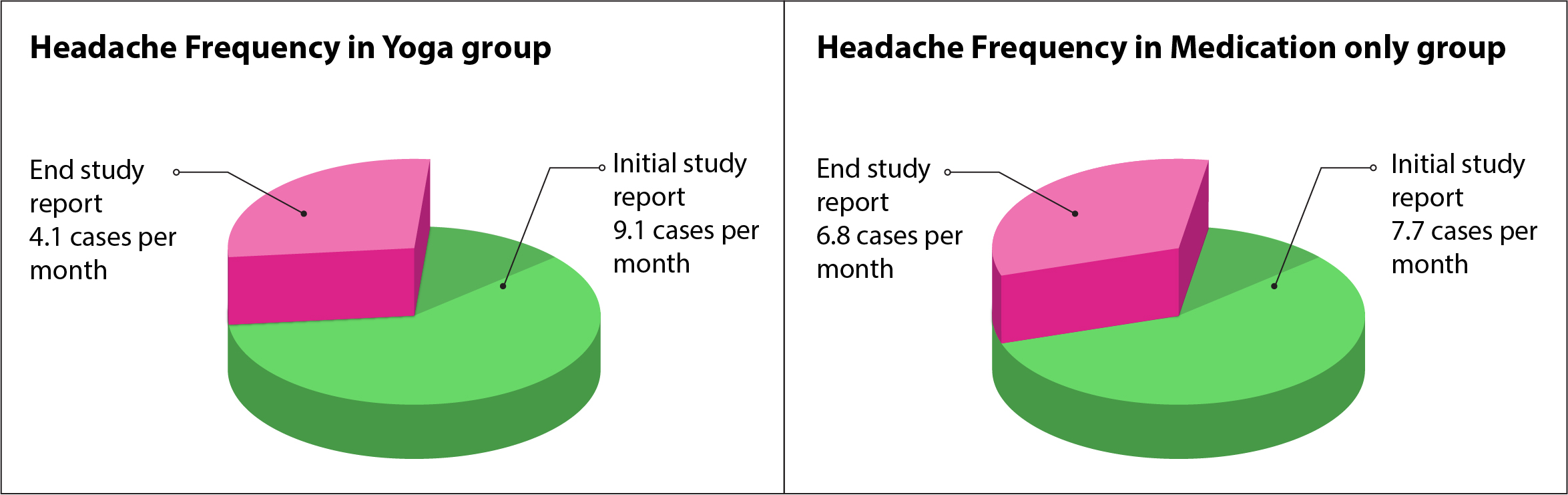
    For headache frequency, the yoga group started with an average of 9.1 headaches per month, and ended the study reporting just 4.7 headaches per month, a 48% reduction. The medication-only group reported an average of 7.7 headaches per month at the start of the study and 6.8 at the end of the three months, a 12% decrease. The average number of pills participants in the yoga group used decreased by 47% after three months. Meanwhile, the average number of pills the medication-only group used decreased by about 12%.

headache frequency medication-only group

Medications
“Our results show that yoga can reduce not just the pain, but also the treatment cost of migraines,” said Dr. Bhatia.
“That can be a real game changer, especially for people who struggle to afford their medication. Medications are usually prescribed first, and some can be expensive.”
One limitation of the study was that people reported information about their headaches themselves, so the results may not be consistent.

REFERENCES
1. American Academy of Neurology. (2020, May 6). For better migraine treatment, try adding some downward dogs. ScienceDaily. Retrieved May 14, 2020 from  https://www.sciencedaily.com/releases/2020/05/200506162154.htm
2. Nall, R. (2017, December 20).Everything You Want to Know About Migraine. Heartline. Retrieved May 14, 2020 from  https://www.healthline.com/health/migraine

IMAGE GLOSSARY

Friday, 29 May 2020

World’s First Saliva Test Detects Hidden Throat Cancer

saliva test

According to American Society of Clinical Oncology, there is an estimated 53,260 adults (38,330 men and 14,880 women) in the United States will be diagnosed with oral and oropharyngeal cancer in the year 2020. Rates of these cancers are more than twice as high in men as in women. Oral and oropharyngeal cancer are the eighth most common cancer among men. The average age of diagnosis is 62. About 25% of cases occur in people younger than 55, but these cancers are rare in children.


Persistent human papillomavirus (HPV) infection

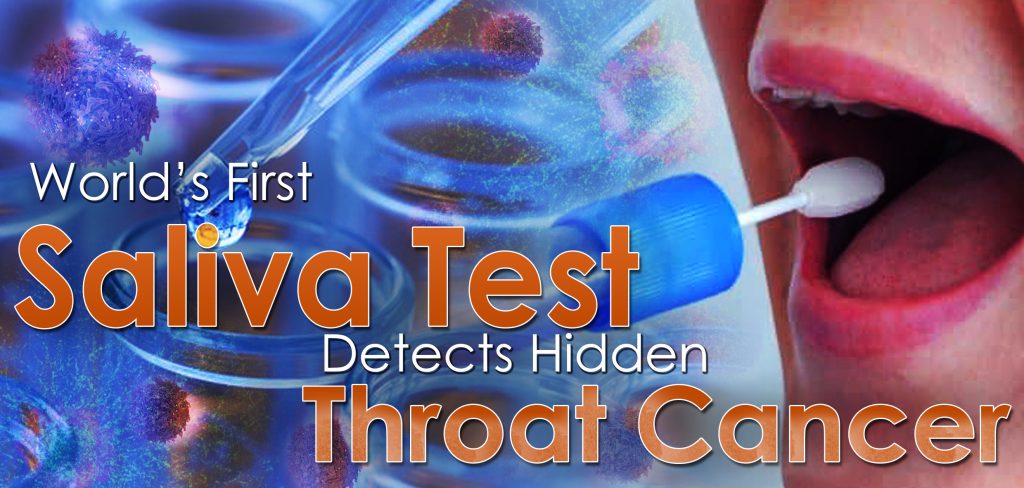
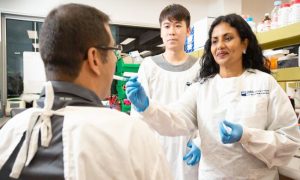
Persistent human papillomavirus (HPV) infection is now the leading cause of cancers in the oropharynx (tonsils and tongue base area of the throat). In what is believed to be a world-first, a simple saliva test developed by Queensland University of Technology (QUT) biomedical scientists has detected early throat cancer in a person who had no symptom and no clinical signs of cancer.

Chamindie Punyadeera

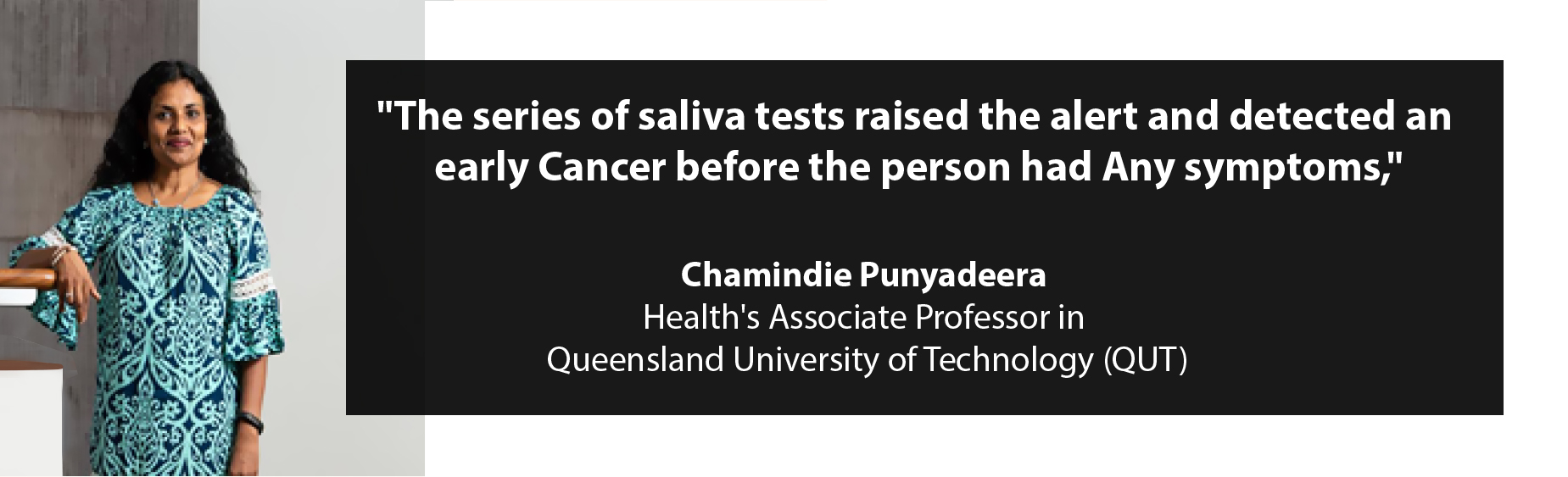
“The series of saliva tests raised the alert and detected an early cancer before the person had any symptoms,” said QUT Faculty of Health’s Associate Professor Chamindie Punyadeera, who, with Dr Kai Tang, developed the test. Professor Punyadeera said the discovery was made during an HPV-prevalence study which included 665 healthy individuals. The incidence of high-risk human papillomavirus (HPV)-driven throat cancers is on the rise in developed countries. Unfortunately, it is often discovered only when it is more advanced, with patients needing complicated and highly impactful treatment options. In the US, HPV-driven throat cancers have surpassed cervical cancers as the most common cancer caused by HPV.  However, unlike cervical cancer, up until now, there has been no screening test for this type of oropharyngeal cancer.


salivary oral rinse sample “To take the test, all the person has to do is give a salivary oral rinse sample. When the test shows HPV-16 DNA, it is repeated and if the presence of HPV-16 is persistent over a period of time we would

be suspicious that there may be underlying cancer. “The person whom we reported in this study had been consistently HPV-16 DNA positive for 36 months, with a steadily rising count of HPV-16 DNA after testing at 6, 12 and 36 months. The patient was found to have a 2mm squamous cell carcinoma in the left tonsil, treated by tonsillectomy. This has given our patient a high chance of cure with very straightforward treatment. Since the surgery, the patient has had no evidence of HPV-16 DNA in his saliva.”

The presence of this pattern of elevated salivary HPV-DNA must be fully evaluated, as it may provide the critical marker for early cancer detection. Professor Punyadeera said this was the first-ever case of histologically confirmed diagnosis of an asymptomatic, hidden throat cancer, diagnosed with a saliva screening test and that wider validation studies are required to confirm this finding.


REFERENCE

1. American Society of Clinical Oncology (2020). Oral and oropharyngeal cancer statistics. Retrieved from
https://www.cancer.net/cancer-types/oral-and-oropharyngeal-cancer/statistics

2. Higuera, V. (2018, August 9).What is throat cancer?. Heartline. Retrieved May 14, 2020 from
https://www.healthline.com/health/cancer-throat-or-larynx

3. Queensland University of Technology. (2020, May 12). World-first saliva test detects hidden throat cancer. ScienceDaily. Retrieved May 14, 2020 from  www.sciencedaily.com/releases/2020/05/200512093950.htm

4. Queensland University of Technology. (2020, May 12).World-first saliva test detects hidden throat cancer. Medicalxpress. Retrieved May 14, 2020 from
https://medicalxpress.com/news/2020-05-world-first-saliva-hidden-throat-cancer.html

IMAGE GLOSSARY

  1.   
    https://www.google.com/url?sa=i&url=https%3A%2F%2Fwwwdocwirenews.com%2Fdocwire-pick%2Fhem-onc-picks%2Fscientists-develop-first-saliva-test-that-detects-throat-cancer-in-asymptomatic-patients%2F&psig=AOvVaw3KPDYoCgZS-H2xpkfLidUe&ust=1589956569970000&source=images&cd=vfe&ved=0CAIQjRxqFwoTCOix3bmtv-kCFQAAAAAdAAAAABAV
  2.   
    https://www.google.com/url?sa=i&url=https%3A%2F%2Ftwitter.com%2FQUT%2Fstatus%2F1144020919498596352&psig=AOvVaw381qzzqMwZ3Qatq1DBEFxG&ust=1589953762276000&source=images&cd=vfe&ved=0CAIQjRxqFwoTCKC55PCtv-kCFQAAAAAdAAAAABAD
  3.    
    https://www.google.com/url?sa=i&url=https%3A%2F%2Fwww.qut.edu.au%2Fresearch%2Farticle%3Fid%3D144469&psig=AOvVaw09oZ1bVIxrHd3pIdaHfuHv&ust=1589957292759000&source=images&cd=vfe&ved=0CAIQjRxqFwoTCODQ0dqqv-kCFQAAAAAdAAAAABAa

Tuesday, 26 May 2020

Mind Controlled Arm Prostheses


mind-controlled arm prosthesis
For the First time, people with limb amputations can experience sensations of touch with a mind-controlled arm prosthesis. A study in the New England Journal of Medicine reports on three Swedish patients who have lived, for several years, with this new technology. This is one of the world’s most integrated interfaces between human and machine.
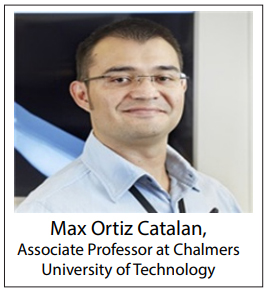
The research was led by Max Ortiz Catalan, Associate Professor at Chalmers University of Technology, in collaboration with Sahlgrenska University Hospital, University of Gothenburg, and Integrum AB, all in Gothenburg,
Sweden. Researchers at Medical University of Vienna in Austria and theMassachusetts Institute of Technology in the
USA were also involved.
“Our study shows that a prosthetic hand, attached to the bone and controlled by electrodes implanted in nerves and muscles, can operate much more precisely than conventional prosthetic hands. We further improved the use of the prosthesis by integrating tactile sensory feedback. This is used by the patients to mediate how hard to grab or squeeze an object. Over time, the ability of the patients to discern smaller changes in the intensity of  ensations has improved,” says Max Ortiz Catalan.   The patients have used a mind-controlled prosthesis in their everyday life for up to seven years. For the last few years, they Max Ortiz Catalan, Associate Professor at Chalmers University of Technology have also lived with a new function. The sensations of touch in the prosthetic hand. This is a new concept for artificial limbs, which are called neuromusculoskeletal prostheses. They are connected to the user’s nerves, muscles, and skeleton. “The most important contribution of this study was to demonstrate that this new type of prosthesis is a clinically viable replacement for a lost arm. No matter how sophisticated a neural interface becomes, it can only deliver sensations of touchreal benefit to patients if the connection between the patient and the prosthesis is safe and reliable in the long term. Our results are the product of many years of work, and now we can Finally present the first bionic arm prosthesis that can be reliably controlled using implanted electrodes, while also conveying sensations to the user in everyday life,” continues Prof. Catalan. Since receiving prostheses, the patients have used them daily in all their professional and personal activities.

The newest part of the technology, the sensation of touch, is possible through stimulation of the nerves that used to be connected to the biological hand before the amputation. Force sensors located in the thumb of the prosthesis measure contact and pressure applied to an object while grasping. This information is transmitted to the patients’ nerves leading to their brains. Patients can thus feel when they are touching an object, its characteristics, and how hard they are pressing it, which is crucial for imitating a biological hand.
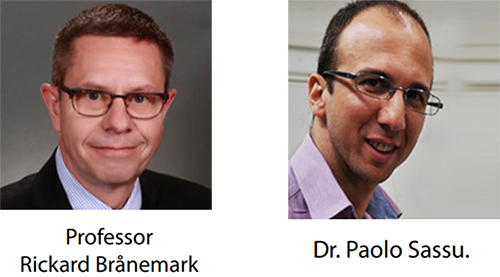
The implantation of this new technology took place at Sahlgrenska University Hospital, led by Professor Rickard Brånemark and Dr. Paolo Sassu. Over a million people worldwide suffer from limb loss, and the end goal for the research team, in collaboration with Integrum AB, is to develop a widely available product suitable for as many of these people as possible.
The current study dealt with patients who had above-elbow amputations, and this technology is closer to becoming a finished product. The research team is working in parallel with a new system for amputations below the elbow. In those cases, instead of one large bone (humerus), there are two smaller bones (radius and ulna) to which the implant needs to be anchored. The group is also working on adapting the system for leg prostheses. In addition to  aplications within arosthetics, the permanent interface between human and machine provides entirely new opportunities for scientific research into how the human muscular and nervous systems work.

REFERENCES
1. Chalmers University of Technology. (2020, April 30). Mind-controlled arm prostheses that ‘feel’ are now a part of everyday life. ScienceDaily. Retrieved May 12, 2020 from  
2. Fan, S. (2019, July 31).”Moving Beyond Mind-controlled Limbs to Prosthetics That Can Actually ‘Feel’.”Retrieved May 12, 2020 from 

3. ”Mind-Controlled Prosthetic Arm Moves Individual ‘Fingers’.” (2016, February 15).Retrieved May 12, 2020 from
https://www.hopkinsmedicine.org/news/media/releases/mind_controlled_prosthetic_arm_moves_individual_fingers_

4. ”Neuroscience researchers receive $3.4 million NIH grant to develop brain-controlled prosthetic limbs.”(2018, October 5). Retrieved May 12, 2020 from 

Wednesday, 20 May 2020

COVID-19 : Targeting Cells For Treatment


treating Covid-19
COVID-19 is still affecting many people worldwide. The precautions to be taken are well known to the society by now. Across the globe, the governments are hard at work establishing the physical infrastructure to fight the  andemic. At the same time, many laboratories across the world are working on clinical trials evaluating potential treatments. Researchers at MIT, the Ragon Institute of MGH, and Harvard along with colleagues from around the world have identified specific types of cells that appear to be the targets of the coronavirus, which is causing the Covid-19 pandemic.
RNA
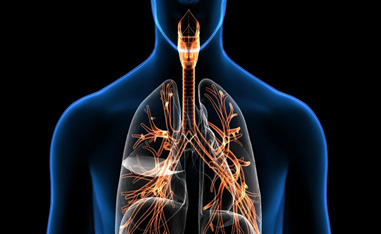
Using existing data on the RNA found in different types of cells, the researchers were able to search for cells that express the two proteins that help the SARS-CoV-2 virus enter human cells. They found subsets of cells in the lung, the nasal passages, and the intestine that express RNA for both of these proteins much more than other cells. Alex K. Shalekfrom MIT and Jose Ordovas-Montanes, a former MIT postdoc who now runs his lab at Boston Children’s Hospital, are the senior authors of the study, which appears today in the scientific journal Cell.
Alex K_Shalek    “Our goal is to get information out to the community and to
share data as soon as is humanly possible so that we can help accelerate ongoing efforts in the scientific and medical communities,”
says Alex K. Shalek,
Associate Professor of Chemistry affliated to MIT’s Institute for Medical Engineering and Science (IMES).
Not long after the SARS-CoV-2 outbreak began, scientists discovered that the viral “spike” protein binds to a receptor on human cells known as angiotensin-converting enzyme 2 (ACE2). Another human protein, an enzyme called TMPRSS2, helps to activate the coronavirus spike protein, to allow for cell entry. The combined binding and activation allows the virus to get into host cells. Prof. Shalek’s lab, and many other labs around the world, have performed large-scale studies of tens of thousands of human, nonhuman primate, and mouse cells, in which they use single-cell RNA sequencing technology to determine which genes are turned on in a given cell type. Since last year, researchers at MIT have been building a database with partners at the Broad Institute to store a huge collection of these datasets in one place, allowing researchers to study potential roles for particular cells in a variety of infectious diseases.
Much of the data came from labs that belong to the Human Cell Atlas project, whose goal is to catalog  the distinctive patterns of gene activity for every cell type in the human body. The datasets that the MIT team used for this study included hundreds of cell types from the lungs, nasal passages, and intestine. The researchers chose those organs for the Covid-19 study because previous evidence had indicated that the virus can infect each of them. They then compared the results to cell types from unaffected organs.
Covid
In the nasal passages, the researchers found that goblet secretory cells, which produce mucus, express RNAs for both of the proteins that SARS-CoV-2 uses to infect cells. In the lungs, they found the RNAs for these proteins mainly in cells called type II pneumocytes. These cells line the alveoli (air sacs) of the lungs and are responsible for keeping them open. In the intestine, they found that cells called absorptive enterocytes, which are responsible for the absorption of some nutrients, express the RNAs for these two proteins more than any other intestinal cell type.
“This may not be the full story, but it paints a much more precise picture than where the field stood before,” Prof. Ordovas-Montanes says. “Now we can say with some level of confidence that these receptors are expressed on these specific cells in these tissues.”
“It’s hard to make any broad conclusions about the role of interferon against this virus. The only way we’ll begin to understand that is through carefully controlled clinical trials,” Prof. Shalek says. “What we are trying to do is put information out there, because there are so many rapid clinical responses that people are making. We’re trying to make them aware of things that might be relevant.”
Prof. Shalek now hopes to work with collaborators to profile tissue models that incorporate the cells identified
in this study. Such models could be used to test existing antiviral drugs and predict how they might affect SARS-CoV-2 infection. Covid drug treatment
The MIT team and their collaborators have made all the data they used in this study available to other labs who want to use it. Much of the data used in this study were generated in collaboration with researchers around the world, who were very willing to share it, Prof. Shalek says. The researchers hope that their findings will help guide scientists who are working on developing new drug treatments or testing existing drugs that could be repurposed for treating Covid-19.


REFERENCES
1. COVID-19: “Researchers identify cells likely targeted by COVID-19 virus” (2020, April 22).Retrieved from
https://www.sciencedaily.com/releases/2020/04/200422132556.htm
2. Dhawan, B.(2020, May 1). COVID-19: Breakthrough! MIT researchers identify cells most likely to be attacked by a
coronavirus. Financial Express. Retrieved from
https://www.financialexpress.com/lifestyle/health/covid-19-breakthrough-mit-researchers-identify-cells-most-likely-to-be-attacked-by-coronavirus/1945233/
3. “Researchers Identify Cells Likely Targeted By Covid-19 Virus”. (2020, April 23).Retrieved from
https://www.enn.com/articles/63246-researchers-identify-cells-likely-targeted-by-covid-19-virus
4. Flanagan, C. (2020, April 23). Researchers Identify Cells Targeted By The COVID-19 Virus. Femina. Retrieved from
https://www.femina.in/trending/researchers-identify-cells-targeted-by-the-covid-19-virus-155320.html
5. World Health Organization. (n.d.)Retrieved May 12, 2020, from
https://www.who.int/health-topics/coronavirus#tab=tab_1