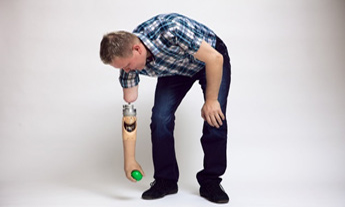
Showing posts with label nursing. Show all posts

Wednesday, 1 July 2020

SNEEZE AND CANCER TREATMENT ON THE SAME DRUG?


serious skin cancer treatment
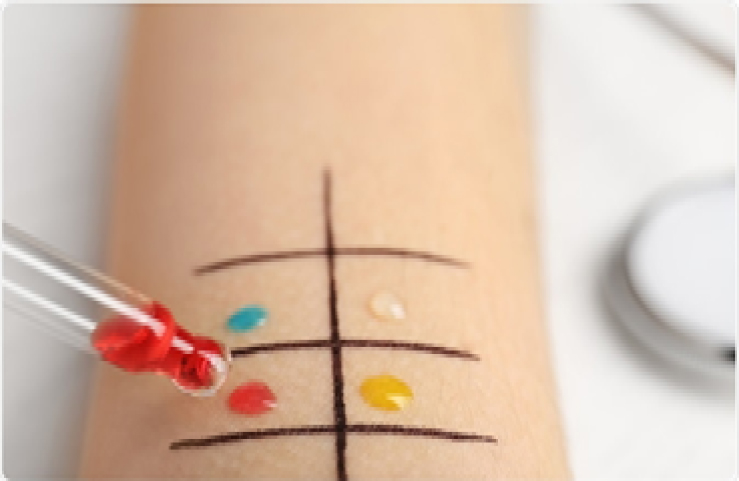
Can a very common allergy medicine improve survival among patients suffering from the serious skin cancer, malignant melanoma? A new study from Lund University in Sweden indicates that this may be the case.
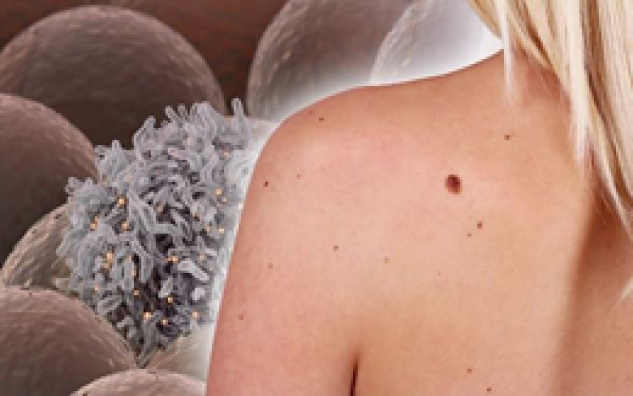
Melanoma
     Melanoma is a type of skin cancer that develops when the melanocytes (the cells that give the skin its tan or brown color) start to grow out of control. Melanoma is much less common than some other types of skin cancers. But melanoma is more dangerous because it is much more likely to spread to other parts of the body if not caught and treated early.
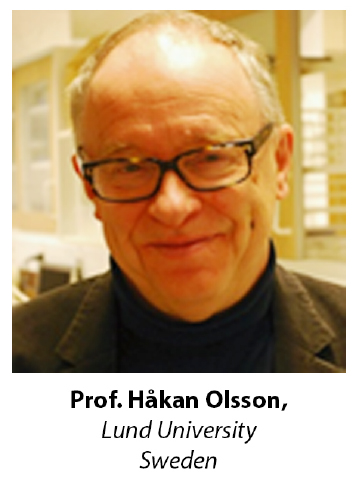

Prof. HÃ¥kan Olsson

“Previous studies have shown that the same antihistamines have survival benefits in breast cancer. Now we see the same thing concerning malignant melanoma. However, more research is required to confirm the results,” emphasizes Prof. HÃ¥kan Olsson. He is one of the researchers behind the study, which was recently published in the research journal, Allergy.

In the study, the researchers examined the use of six antihistamines in patients diagnosed with malignant melanoma; desloratadine, cetirizine, loratadine, clemastine, ebastine and fexofenadine.
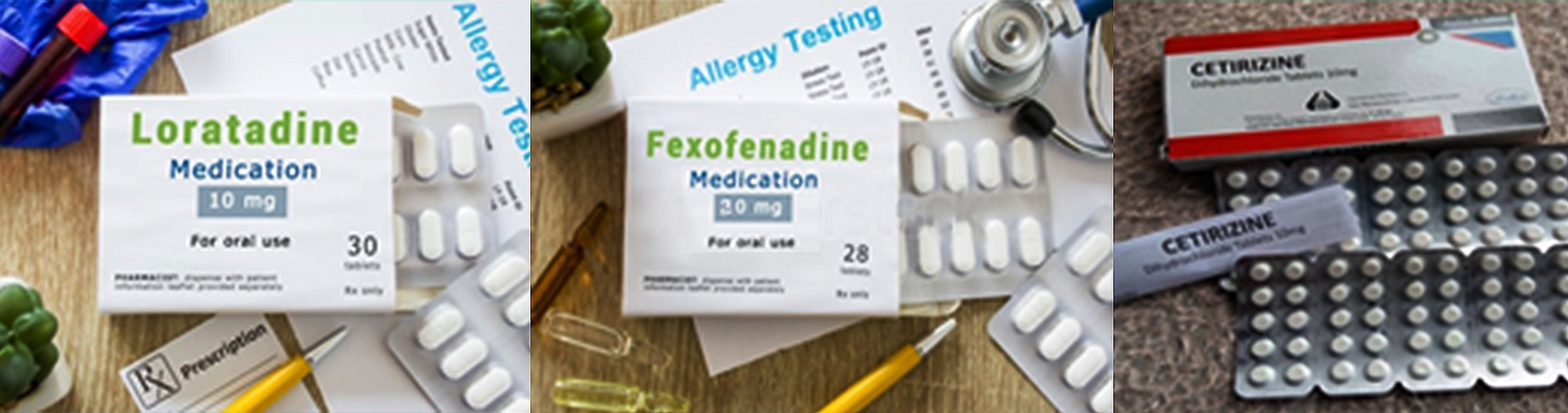
fexofenadine
clinical registries

They have matched information from three large clinical registries (the prescribed drug registry, cancer registry and cause of death registry) for everyone in Sweden between 2006 and 2014 who received their first diagnosis of skin cancer, a total of 24,562 individuals. Of these individuals, 1,253 were antihistamine users.
Most used desloratadine (395) cetirizine (324), loratadine (251) or clemastine (192).The other antihistamines were used by considerably fewer individuals. The follow-up of individuals was carried out on 31 December 2018.
“We observed improved survival among those who used desloratadine and to a certain extent also loratadine, particularly in the age group 65 and older, when we compared with those who had not used antihistamines. The use of the other antihistamines showed no significant survival effect. The use of desloratadine and loratadine also seemed to reduce the risk of getting a new malignant melanoma,” says Prof. HÃ¥kan Olsson.
“The finding is interesting for a future drug against melanoma and may also help in advanced stages of the disease. In addition, the medicines have virtually no side effects.”The research team is now planning animal experiments and randomized studies in order to understand the mechanisms behind the effect, the appropriate dose and optimum treatment period.
“We are collaborating with researchers in Barcelona and Stockholm. In Lund, we are underway with studies in both animal and human subjects, in which doses of antihistamines will be compared with the patients who do not take antihistamines, in order to measure the treatment effect,” concludes Prof. HÃ¥kan

REFERENCE
1. Lund University. (2020, May 11). Antihistamines may help patients with malignant melanoma. ScienceDaily. Retrieved May 17, 2020 from https://www.sciencedaily.com/releases/2020/05/200511112616.htm
2. Eurekalert. (2020, May 14). “Allergy Medications May Treat Malignant Melanoma Patients”. Medindia. Retrieved May 17, 2020 from https://www.medindia.net/news/antihistamines-may-help-patients-with-malignant-melanoma-194948-1.htm
3. American Cancer Society. (n.d.). “What Is Melanoma Skin Cancer?” Retrieved May 17, 2020 from https://www.cancer.org/cancer/melanoma-skin-cancer/about/what-is-melanoma.html
#references

IMAGE GLOSSARY
1. https://www.google.com/url?sa=i&url=https%3A%2F%2Fwww.express.co.uk%2Flife-style%2Fhealth%2F1150640%2Fskin-cancer-signs-melanoma-symptoms-mole&psig=AOvVaw3cXQ_gNh7MKWxIEDPyyQaD&ust=1590677 603838000&source=images&cd=vfe&ved=0CAIQjRxqFwoTCKDN7uWs1OkCFQAAAAAdAAAAABAD
2. https://www.google.com/url?sa=i&url=https%3A%2F%2Fwww.miragenews.com%2Fantihistamines-may-help-patients-with-malignant-melanoma%2F&psig=AOvVaw1t_IqokHJMuNxTXfcZ1FO7&ust=1590676358415000&source=i mages&cd=vfe&ved=0CAIQjRxqFwoTCOivw_Ss1OkCFQAAAAAdAAAAABAD
3. https://www.google.com/url?sa=i&url=https%3A%2F%2Fwww.shutterstock.com%2Fimage-photo%2Fkyiv-ukrainemay-27-2019-loratadine-medication-1408679642&psig=AOvVaw3B_mEOlpOjRMdWY80TXFef&ust=159067810 7185000&source=images&cd=vfe&ved=0CAIQjRxqFwoTCJDH4Yut1OkCFQAAAAAdAAAAABAX
4. https://www.google.com/url?sa=i&url=https%3A%2F%2Fwww.shutterstock.com%2Fimage-photo%2Fkyiv-ukrainemay-25-2019-fexofenadine-medication-1406925812&psig=AOvVaw3B_mEOlpOjRMdWY80TXFef&ust=1590678 107185000&source=images&cd=vfe&ved=0CAIQjRxqFwoTCJDH4Yut1OkCFQAAAAAdAAAAABAc
5. https://www.google.com/url?sa=i&url=https%3A%2F%2Fwww.pinterest.com%2Fpin%2F330381322648811707%2F&psig=AOvVaw3B_mEOlpOjRMdWY80TXFef&ust=1590678107185000&source=images&cd=vfe&ved=0CAIQjRx qFwoTCJDH4Yut1OkCFQAAAAAdAAAAABAn
6. https://www.google.com/url?sa=i&url=https%3A%2F%2Fwww.news-medical.net%2Fhealth%2FLong-Term-Effects-of-Taking-Allergy-Medications.aspx&psig=AOvVaw3B_mEOlpOjRMdWY80TXFef&ust=1590678107185000&source=i mages&cd=vfe&ved=0CAIQjRxqFwoTCJDH4Yut1OkCFQAAAAAdAAAAABBX

Friday, 29 May 2020

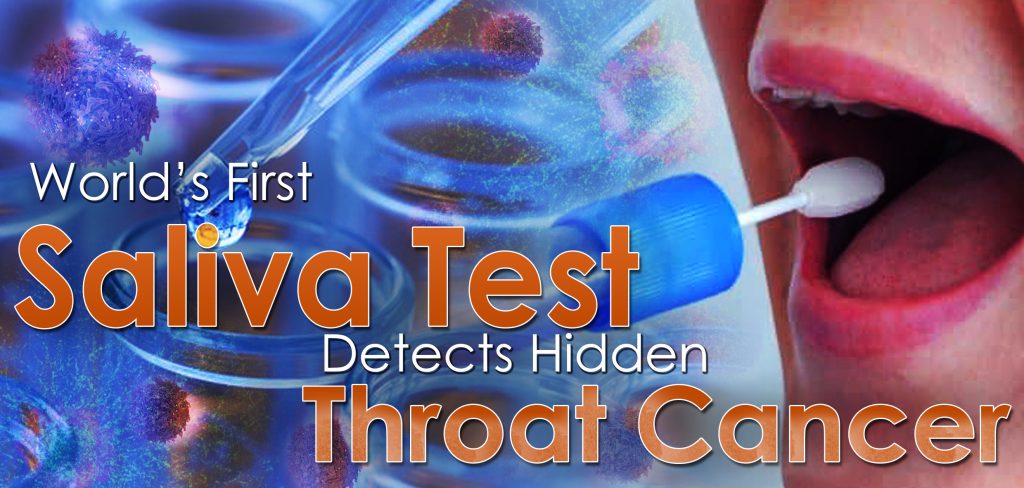
World’s First Saliva Test Detects Hidden Throat Cancer

saliva test

According to American Society of Clinical Oncology, there is an estimated 53,260 adults (38,330 men and 14,880 women) in the United States will be diagnosed with oral and oropharyngeal cancer in the year 2020. Rates of these cancers are more than twice as high in men as in women. Oral and oropharyngeal cancer are the eighth most common cancer among men. The average age of diagnosis is 62. About 25% of cases occur in people younger than 55, but these cancers are rare in children.


Persistent human papillomavirus (HPV) infection

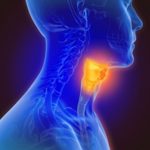
Persistent human papillomavirus (HPV) infection is now the leading cause of cancers in the oropharynx (tonsils and tongue base area of the throat). In what is believed to be a world-first, a simple saliva test developed by Queensland University of Technology (QUT) biomedical scientists has detected early throat cancer in a person who had no symptom and no clinical signs of cancer.

Chamindie Punyadeera

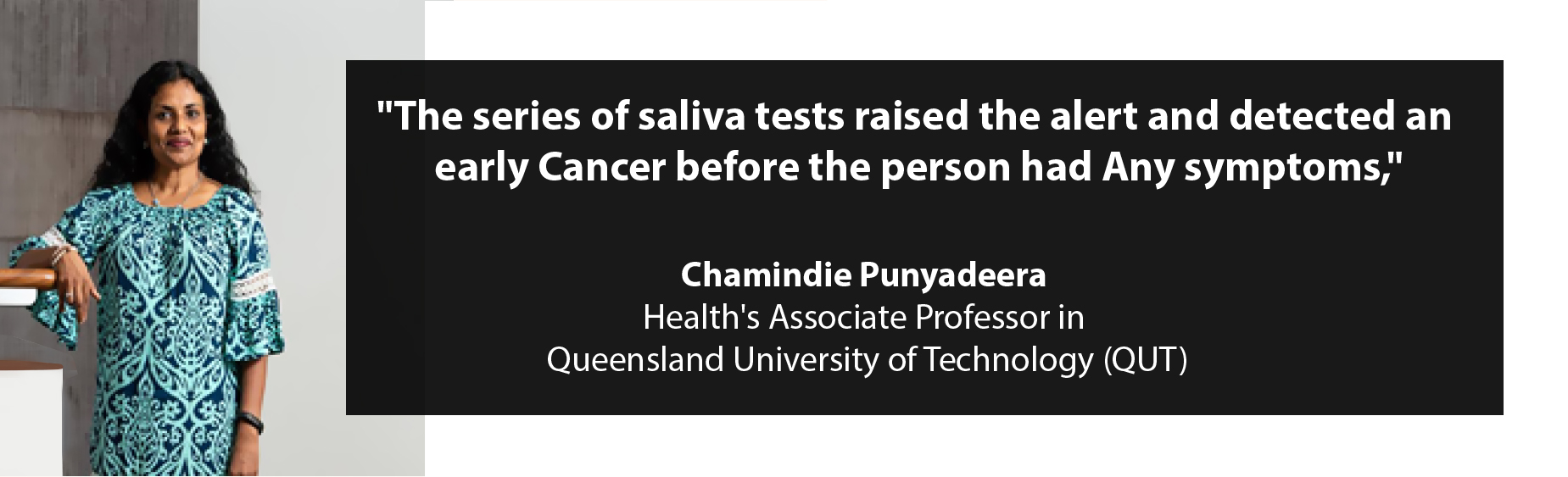
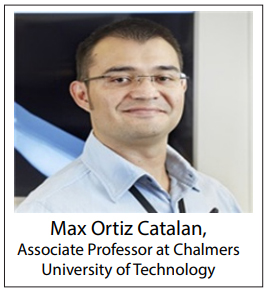
“The series of saliva tests raised the alert and detected an early cancer before the person had any symptoms,” said QUT Faculty of Health’s Associate Professor Chamindie Punyadeera, who, with Dr Kai Tang, developed the test. Professor Punyadeera said the discovery was made during an HPV-prevalence study which included 665 healthy individuals. The incidence of high-risk human papillomavirus (HPV)-driven throat cancers is on the rise in developed countries. Unfortunately, it is often discovered only when it is more advanced, with patients needing complicated and highly impactful treatment options. In the US, HPV-driven throat cancers have surpassed cervical cancers as the most common cancer caused by HPV.  However, unlike cervical cancer, up until now, there has been no screening test for this type of oropharyngeal cancer.


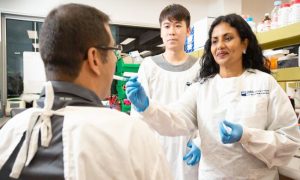
salivary oral rinse sample “To take the test, all the person has to do is give a salivary oral rinse sample. When the test shows HPV-16 DNA, it is repeated and if the presence of HPV-16 is persistent over a period of time we would

be suspicious that there may be underlying cancer. “The person whom we reported in this study had been consistently HPV-16 DNA positive for 36 months, with a steadily rising count of HPV-16 DNA after testing at 6, 12 and 36 months. The patient was found to have a 2mm squamous cell carcinoma in the left tonsil, treated by tonsillectomy. This has given our patient a high chance of cure with very straightforward treatment. Since the surgery, the patient has had no evidence of HPV-16 DNA in his saliva.”

The presence of this pattern of elevated salivary HPV-DNA must be fully evaluated, as it may provide the critical marker for early cancer detection. Professor Punyadeera said this was the first-ever case of histologically confirmed diagnosis of an asymptomatic, hidden throat cancer, diagnosed with a saliva screening test and that wider validation studies are required to confirm this finding.


REFERENCE

1. American Society of Clinical Oncology (2020). Oral and oropharyngeal cancer statistics. Retrieved from
https://www.cancer.net/cancer-types/oral-and-oropharyngeal-cancer/statistics

2. Higuera, V. (2018, August 9).What is throat cancer?. Heartline. Retrieved May 14, 2020 from
https://www.healthline.com/health/cancer-throat-or-larynx

3. Queensland University of Technology. (2020, May 12). World-first saliva test detects hidden throat cancer. ScienceDaily. Retrieved May 14, 2020 from  www.sciencedaily.com/releases/2020/05/200512093950.htm

4. Queensland University of Technology. (2020, May 12).World-first saliva test detects hidden throat cancer. Medicalxpress. Retrieved May 14, 2020 from
https://medicalxpress.com/news/2020-05-world-first-saliva-hidden-throat-cancer.html

IMAGE GLOSSARY

  1.   
    https://www.google.com/url?sa=i&url=https%3A%2F%2Fwwwdocwirenews.com%2Fdocwire-pick%2Fhem-onc-picks%2Fscientists-develop-first-saliva-test-that-detects-throat-cancer-in-asymptomatic-patients%2F&psig=AOvVaw3KPDYoCgZS-H2xpkfLidUe&ust=1589956569970000&source=images&cd=vfe&ved=0CAIQjRxqFwoTCOix3bmtv-kCFQAAAAAdAAAAABAV
  2.   
    https://www.google.com/url?sa=i&url=https%3A%2F%2Ftwitter.com%2FQUT%2Fstatus%2F1144020919498596352&psig=AOvVaw381qzzqMwZ3Qatq1DBEFxG&ust=1589953762276000&source=images&cd=vfe&ved=0CAIQjRxqFwoTCKC55PCtv-kCFQAAAAAdAAAAABAD
  3.    
    https://www.google.com/url?sa=i&url=https%3A%2F%2Fwww.qut.edu.au%2Fresearch%2Farticle%3Fid%3D144469&psig=AOvVaw09oZ1bVIxrHd3pIdaHfuHv&ust=1589957292759000&source=images&cd=vfe&ved=0CAIQjRxqFwoTCODQ0dqqv-kCFQAAAAAdAAAAABAa

Tuesday, 26 May 2020

Mind Controlled Arm Prostheses


mind-controlled arm prosthesis
For the First time, people with limb amputations can experience sensations of touch with a mind-controlled arm prosthesis. A study in the New England Journal of Medicine reports on three Swedish patients who have lived, for several years, with this new technology. This is one of the world’s most integrated interfaces between human and machine.
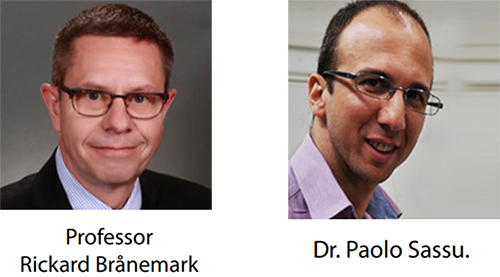
The research was led by Max Ortiz Catalan, Associate Professor at Chalmers University of Technology, in collaboration with Sahlgrenska University Hospital, University of Gothenburg, and Integrum AB, all in Gothenburg,
Sweden. Researchers at Medical University of Vienna in Austria and theMassachusetts Institute of Technology in the
USA were also involved.
“Our study shows that a prosthetic hand, attached to the bone and controlled by electrodes implanted in nerves and muscles, can operate much more precisely than conventional prosthetic hands. We further improved the use of the prosthesis by integrating tactile sensory feedback. This is used by the patients to mediate how hard to grab or squeeze an object. Over time, the ability of the patients to discern smaller changes in the intensity of  ensations has improved,” says Max Ortiz Catalan.   The patients have used a mind-controlled prosthesis in their everyday life for up to seven years. For the last few years, they Max Ortiz Catalan, Associate Professor at Chalmers University of Technology have also lived with a new function. The sensations of touch in the prosthetic hand. This is a new concept for artificial limbs, which are called neuromusculoskeletal prostheses. They are connected to the user’s nerves, muscles, and skeleton. “The most important contribution of this study was to demonstrate that this new type of prosthesis is a clinically viable replacement for a lost arm. No matter how sophisticated a neural interface becomes, it can only deliver sensations of touchreal benefit to patients if the connection between the patient and the prosthesis is safe and reliable in the long term. Our results are the product of many years of work, and now we can Finally present the first bionic arm prosthesis that can be reliably controlled using implanted electrodes, while also conveying sensations to the user in everyday life,” continues Prof. Catalan. Since receiving prostheses, the patients have used them daily in all their professional and personal activities.
The newest part of the technology, the sensation of touch, is possible through stimulation of the nerves that used to be connected to the biological hand before the amputation. Force sensors located in the thumb of the prosthesis measure contact and pressure applied to an object while grasping. This information is transmitted to the patients’ nerves leading to their brains. Patients can thus feel when they are touching an object, its characteristics, and how hard they are pressing it, which is crucial for imitating a biological hand.
The implantation of this new technology took place at Sahlgrenska University Hospital, led by Professor Rickard Brånemark and Dr. Paolo Sassu. Over a million people worldwide suffer from limb loss, and the end goal for the research team, in collaboration with Integrum AB, is to develop a widely available product suitable for as many of these people as possible.
The current study dealt with patients who had above-elbow amputations, and this technology is closer to becoming a finished product. The research team is working in parallel with a new system for amputations below the elbow. In those cases, instead of one large bone (humerus), there are two smaller bones (radius and ulna) to which the implant needs to be anchored. The group is also working on adapting the system for leg prostheses. In addition to  aplications within arosthetics, the permanent interface between human and machine provides entirely new opportunities for scientific research into how the human muscular and nervous systems work.

REFERENCES
1. Chalmers University of Technology. (2020, April 30). Mind-controlled arm prostheses that ‘feel’ are now a part of everyday life. ScienceDaily. Retrieved May 12, 2020 from  
2. Fan, S. (2019, July 31).”Moving Beyond Mind-controlled Limbs to Prosthetics That Can Actually ‘Feel’.”Retrieved May 12, 2020 from 

3. ”Mind-Controlled Prosthetic Arm Moves Individual ‘Fingers’.” (2016, February 15).Retrieved May 12, 2020 from
https://www.hopkinsmedicine.org/news/media/releases/mind_controlled_prosthetic_arm_moves_individual_fingers_

4. ”Neuroscience researchers receive $3.4 million NIH grant to develop brain-controlled prosthetic limbs.”(2018, October 5). Retrieved May 12, 2020 from 

Tuesday, 25 June 2019

12 lead EKG Pocket Card @ $16.99


A comprehensive field reference for 12 lead EKG interpretation for medical and allied health students. Include valuable reference materials extending from images of various EKG wave forms to methods for identifying different cardiac disorders like bundle branch block, heart blocks etc. Also include information for identifying modes of pacemakers, coronary blood flow and EKG, effects of electrolyte imbalance in EKG.
 Visit - https://aprnworld.com/product/12-lead-ekg-pocket-card/

Advanced Arrhythmia Recognition with CE hours – DVD @$75.00


Advanced Arrhythmia Recognition course in DVD format. Chapters with rich text and images and professional voice over. Easy to follow format. Continuing education hours are awarded for Nurses after taking exam at www.aprnworld.com. Please email to support@aprnworld.com after purchase for enrolling to exam. Contact hours are approved by all state Boards of Registered Nursing in United States.

Visit - https://aprnworld.com/product/advanced-arrhythmia-recognition-ce-hours-dvd/

Wednesday, 22 May 2019

Overview of Basic Mechanisms of Cardiac Arrhythmia


Electrocardiogram is one of the oldest and most widely used diagnostic tool in modern healthcare. It is considered as one of the lifesaving tools across the world. The ability to identify cardiac rhythms and knowing the significance is one of the essential elements of every healthcare professional’s competency. EKG is a representation of electrical activity of the heart. Any changes in normal electrical function of the heart is called arrhythmia. Understanding arrhythmias can be vital in providing appropriate treatment in a timely manner for many critically ill patients in both in hospital and community settings.


Basic arrhythmia recognition training involves understanding the basic concepts of electrocardiogram. Basic cardiac arrhythmia course offered by APRN WORLD®  provide an opportunity for individuals to understand the concepts behind EKG from the simple to complex approach. The individuals will learn about the basic rhythms and their significance during this course. Basic cardiac arrhythmia course offered on an online platform helps the convenient delivery method for individual students. Professionally narrated material with relevant graphics allow students to have a detailed understanding of the basics of cardiac arrhythmia.

APRN WORLD® ’s Basic arrhythmia recognition course will ensure the competency of candidates through a theory and practice exam at the end of the course.

For more information feel free to contact us at:

Address: 3200 Guasti Road, Suite 100 Ontario, California, 91761
Phone: 909-907-4144
Social Media: